
Want to inspire your child’s writing journey? Creative writing for children boosts creativity and confidence. Here, you’ll discover helpful tips on the benefits of creative writing, exciting online courses to spark your child’s imagination, fun writing prompts, and much more to get young writers excited about their storytelling journey.
Key Points
- Creative writing helps children discover themselves, confidence and emotional intelligence in a safe space.
- Online courses and writing prompts spark imagination, helping them develop storytelling and unique writing styles.
- Create a supportive environment at home, journaling and celebrating their work, and they’ll be motivated and grow their love of writing.
Benefits of Creative Writing for Children
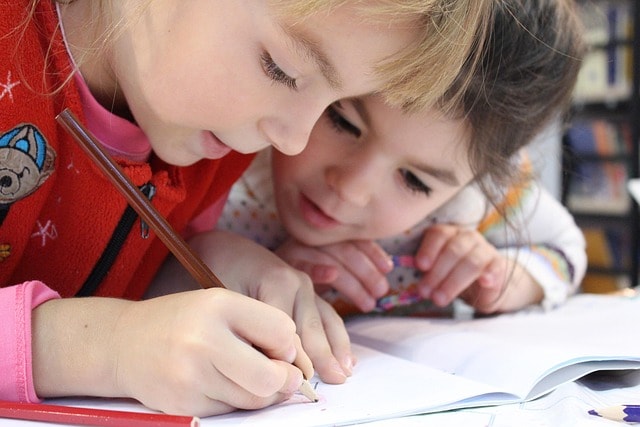
Creative writing has many benefits for children:
- It’s a powerful tool for self-discovery, where children can express themselves in a safe space.
- Creative writing courses help children be more creative, tell better stories and be more confident.
- These courses give children a safe space to explore their unique perspectives and articulate their thoughts clearly, for cognitive growth.
One of the best things about creative writing is the massive boost in a child’s confidence and self-esteem. Children often notice a change in their confidence levels after doing creative writing activities. And writing is a therapeutic activity; one in three children says it helps them relax. This relaxation can lead to higher emotional intelligence, where children can connect with their feelings and understand them better.
Creative writing is not just about putting words on paper; it’s about creating a world where young writers can explore their imagination. Writing stories and doing fun activities allows children to enjoy the benefits of fiction and love writing for life.
Online Creative Writing Courses
Online creative writing courses are a fun and flexible way for children to develop their writing skills. Creative Writing Ink’s children’s writing course covers the basics of storytelling, such as ‘show, don’t tell,’ character development, and symbolism, through engaging exercises. These courses help young writers learn how to write vivid descriptions and show their stories in a way that makes readers feel like they’re right there, instead of just telling them what’s happening.
One of the best things about online creative writing courses is the opportunity for children to explore their favourite stories and what makes them so good. This exploration helps children develop skills in:
- Character creation
- Crafting protagonists
- Creating villains
- Creating settings that bring their stories to life.
In the final module of these courses, young writers get the chance to truly let their creativity shine by writing their own short stories. This way, they not only learn important writing skills but also get to experiment and develop their own unique voice. With the support of an experienced instructor, they embark on an inspiring journey that helps their imagination come alive and their writing skills grow.
Fun Writing Prompts to Inspire Children

Writing prompts are a fantastic way to inspire children and encourage them to start writing. These prompts can include imaginative scenarios such as inventing new toys or discussing favourite flavours of ice cream. Fun writing prompts can help children overcome the fear of the blank page and spark their creativity.
Participating in family writing contests can also make writing a fun and collaborative experience. These contests can create a sense of community and friendly competition, motivating children to put their best effort into their writing. Whether it’s a superhero story or a whimsical adventure, writing prompts can prompt inspiration and make the writing process enjoyable for young writers.
Writing Prompts for Older Children
Older children can handle more complex and thought-provoking writing prompts. Ideas like exploring superhero dilemmas or inventing a new national holiday encourage them to think deeply and reflect on the world around them.
Another great prompt is to imagine what it would be like if they became nocturnal—staying awake all night and sleeping during the day. This lets them create imaginative stories that tap into their own unique creativity. Exercises like these nurture the next generation’s creative potential and help shape their future writing journey.
Overall, these prompts don’t just fire up their imagination—they also help kids connect more deeply with their own creative process and grow as confident young writers.
Creating the Perfect Writing Space
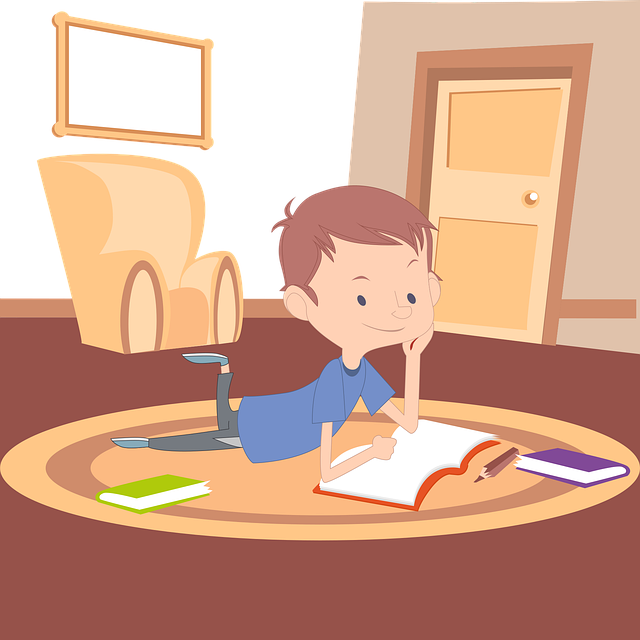
To create an inspiring writing space for children, try these top tips:
- Personalise the area with their favourite colours or uplifting quotes to make it truly their own.
- Keep distractions such as noise and clutter to a minimum so they can focus fully.
- Encourage uninterrupted writing time, providing a supportive atmosphere where their own imagination can soar freely.
Daily Journaling
Daily journaling is a fantastic way to boost children’s communication skills and emotional health. Research shows that kids who engage in regular literacy activities like journaling are three times more likely to enjoy higher well-being compared to those who don’t. It also nurtures gratitude, adding to their overall sense of happiness.
Short, focused journal entries help children process their daily experiences and emotions. Parents can encourage this habit by offering creative prompts and setting aside a special time each day for writing. For older kids, journaling becomes a safe haven where they can freely express and manage their feelings during challenging moments.
Reading Together to Spark Creativity
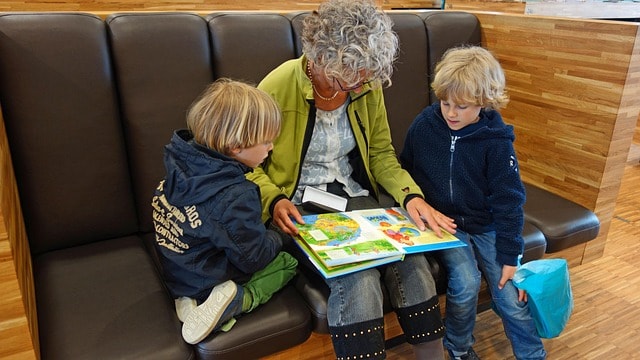
Reading together can really boost children’s imagination and storytelling skills. It enriches their vocabulary and sparks creativity, laying the foundation for their writing journey. Themes from books can be a prompt for children to write their own stories, to explore new ideas and scenarios.
Getting a library card and browsing books together can help a child understand writing and storytelling. This shared experience can create a bond between parent and child, making reading and writing a collaborative and fun activity for everyone involved.
By reading together, parents can inspire children to become avid readers and creative writers through poetry. Parents can also encourage their child to read.
Writing Exercises to Build Skills
Adding fun writing exercises to your child’s routine is a great way to nurture their creative writing skills while keeping things enjoyable. These activities can be simple word games or storytelling challenges like inventing characters or mapping out a plot. Writing exercises give kids the freedom to play with language and experiment with different ways to bring their stories alive.
For example, your child might describe a magical place using all five senses or write a lively conversation between two characters. These tasks help them find the perfect words to express their ideas and make their stories exciting. Regular practice boosts confidence and helps them discover their unique writing voice.
Many creative writing courses include these playful exercises, encouraging children to think outside the box and use language in fresh, imaginative ways. By practising a little each week, young writers steadily sharpen their skills while having fun creating their own stories.
Developing Strong Characters and Plots
Strong characters and a gripping plot are the heart and soul of any great story.
- Give your characters unique features or quirks that make them stand out and feel real.
- Keep their behaviour and dialogue consistent so readers can truly connect with who they are.
- Throw challenges their way that reveal their true strengths and vulnerabilities.
What your characters want—their dreams, fears, and goals—is what drives the story forward and keeps readers hooked. Whether it’s the world’s greatest detective cracking a case or a superhero facing their toughest battle, well-crafted characters and a compelling plot are what turn a simple tale into an unforgettable adventure.
Exploring Different Genres
Exposure to different writing genres can really help children’s creativity and adaptability in storytelling. Here are some examples, perfect for young writers:
- Fantasy
- Mystery
- Adventure
Discovering new genres can encourage children to explore imaginative scenarios and complex characters.
Additionally, mixing elements from multiple genres can lead to innovative storytelling and broaden children’s literary comprehension, allowing children to develop their own writing voice and style.
Writing Competitions
Writing competitions can boost children’s motivation to write and confidence in their abilities. These competitions provide recognition and feedback, which together boost children’s confidence. Children get recognition and build confidence through success in writing competitions.
Participation and success in contests can give children a sense of achievement and recognition. Celebrating writing milestones throughout the year can motivate students to set and achieve new writing goals. Showcasing their talent helps children improve their skills and learn resilience.
Summary
Creative writing lets kids explore their imagination and express themselves in fun and meaningful ways. From learning about the benefits of writing to creating a cosy writing space, keeping a daily journal, and reading stories together, there are lots of ways to encourage young writers. Building interesting characters and exciting plots, trying out different kinds of stories, and joining writing contests can all help them grow as writers.
Using tools like thesauruses and drawing can make writing more enjoyable and help kids find new words and ideas. Sharing their stories and celebrating their progress boosts their confidence and encourages them to keep writing. Let’s keep inspiring the next generation of writers to discover just how creative they can be.
FAQs
What are the benefits of writing for children?
Creative writing is a wonderful way for children to express themselves, grow their thinking skills, and build confidence. Letting them write freely not only sparks their imagination but also helps them relax and understand their emotions better.
How can online creative writing courses help my child?
Online creative writing courses can really boost your child’s writing and creativity by teaching storytelling and character creation. It’s a great platform for your child to express themselves and write their own stories!
What are some writing prompts for young children?
Get young children to dive into their imagination with prompts like chatting with animals outside the window, writing a poem about their family or recounting a fun day in the snow. These ideas can spark creativity and lead to great stories!
Why should children try different writing genres?
Children should try different types of writing because it helps them be more creative and nurture their own voice. Trying different styles helps them tell great stories with confidence!