
Radio drama, a form of audio storytelling with dialogue and sound effects, has been around for over a century. By 1930, the BBC was producing twice as many plays as London’s West End, showcasing a significant cultural difference and the BBC’s commitment to expanding its output of radio plays during the early to mid-20th century. This article covers its history, golden age, decline, revival and current platforms.
Key Points
- Radio drama started in the 1880s, and the first original radio drama was broadcast in 1921 to show its potential as a storytelling medium.
- The golden age of radio drama from the 1920s to the 1940s was widespread, with many formats and iconic productions that blurred the lines between fiction and reality. Methuen Drama has been a major contributor to the development of radio drama, with a prestigious digital library of playtexts and streaming content.
- The decline of radio drama in the 1960s was followed by a revival driven by digital platforms and podcasts, making radio dramas more accessible and creating a new generation of creators.
- In the United Kingdom, the BBC produces and broadcasts hundreds of new radio plays each year, showcasing the medium’s continued relevance and creativity.
What is Radio Drama?
Definition and History
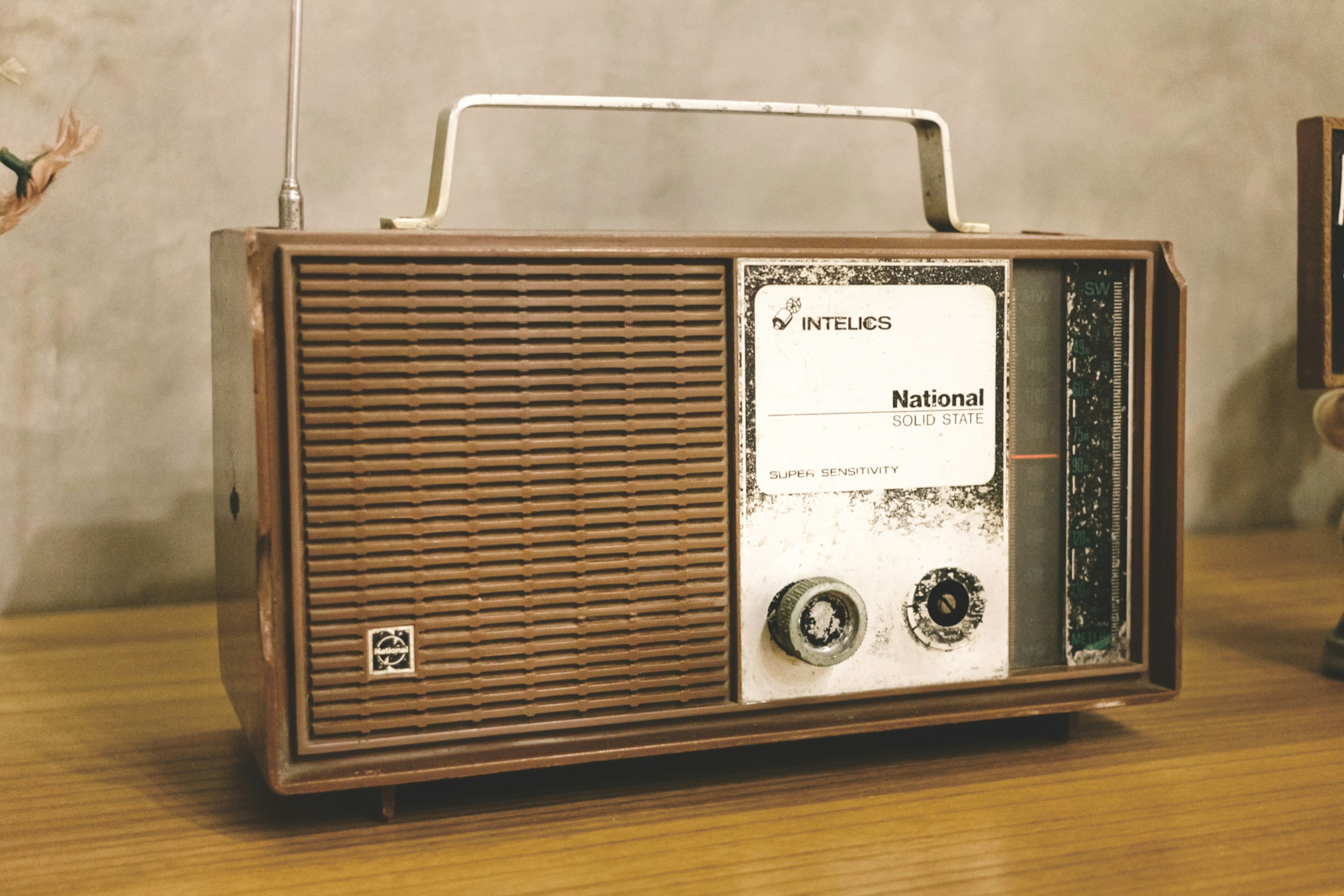
Radio drama is a dramatised audio-only performance using dialogue, music, and sound effects to create an immersive storytelling experience. Unlike visual media, it engages the listener’s imagination to visualise characters and settings through sound alone. This unique storytelling form dates back to the early 20th century.
The first radio drama aired in the US in 1921, marking a new entertainment era. By the 1930s and 1940s, radio drama thrived, with the BBC producing over 400 plays annually by the mid-1940s. This golden age saw iconic productions that captivated audiences worldwide. In Great Britain, the BBC’s contributions were particularly significant, highlighting the rich literary heritage and cultural impact of theatrical productions across the nation.
Despite a decline with television’s rise, radio drama evolved. The internet and digital technology have revived it, offering new opportunities for independent producers and podcasters, keeping radio drama a vibrant storytelling medium.
History of Radio Drama
The journey of radio drama began in the 1880s with the Théâtrophone, a device enabling people to listen to theatre works via phone. This innovation paved the way for radio drama as a storytelling medium. In 1921, KDKA in Pittsburgh aired the first English radio drama, highlighting radio’s dramatic storytelling potential.
By 1922, U.S. radio stations were broadcasting full-length plays with sound effects, captivating audiences and demonstrating radio’s power to convey drama and emotion through sound. The world’s leading drama publisher played a vital role by providing a library of playtexts and collaborating with major theatres, enriching the medium. Radio dramas were often aired alongside news programs, offering both entertainment and information.
In 1923, radio stations held contests inviting listeners to write original plays, fostering community and creativity. These early years were marked by innovation and experimentation, setting the stage for radio drama’s golden age.
The Golden Age of Radio Drama
The golden age of radio drama, spanning the 1920s to the 1940s, was a time when this medium was hugely popular and influential. By 1947, a remarkable 82% of Americans tuned in daily, showcasing its widespread appeal.
During this period, radio dramas evolved into various formats, including mystery serials, soap operas, and musical comedy. Iconic productions like “The Mercury Theatre on the Air,” led by Orson Welles, captivated audiences with their storytelling and cutting-edge sound design.
A notable event in radio drama history was Orson Welles’ 1938 adaptation of H.G. Wells’ “The War of the Worlds,” which famously caused panic among listeners who thought it was real. This incident highlighted radio’s power to create immersive narratives and blur fiction with reality. Radio adaptations of William Shakespeare’s works, often aired by BBC Radio, brought classic literature to the public, demonstrating the medium’s capacity to convey theatrical drama and language.
As radio drama thrived, it laid the groundwork for formats like mystery serials and soap operas to transition to television, continuing to entertain visually.
The golden age was a period of exceptional creativity and innovation, leaving a lasting mark on entertainment and paving the way for future developments. It became a fast-growing resource with a wealth of content available to audiences worldwide.
Decline and Revival: 1960s to Present
Television’s rise in the 1950s and 60s led to radio drama’s decline in the US. By 1960, CBS and NBC ended most radio dramas as audiences shifted to TV. But radio drama wasn’t finished. Around 2010, digital tech and the internet revived it. Podcasts made radio dramas accessible, reaching wider audiences without traditional limits. This era sparked creativity and innovation.
Unlike movies, radio drama thrives on imagination, making settings limitless and cost-effective. An award-winning digital library has played a key role in this revival, offering vast theatrical resources, including playtexts and streaming content.
A standout example of radio drama’s charm is NPR’s 1980s “Star Wars” adaptation, boosting ratings and proving its lasting appeal. Today, radio drama thrives through digital downloads, reflecting tech’s impact. This shift empowers creators to produce and share their audio dramas, fueling the medium’s resurgence. Audio drama is now available in formats like CDs, podcasts, and digital downloads.
Global Radio Drama
While radio drama saw a decline in the US, it flourished in other parts of the world, each contributing uniquely to the art form. In the UK, BBC Radio was instrumental in nurturing radio drama, with early productions like Shakespeare’s “A Midsummer Night’s Dream” in 1923, reflecting the nation’s rich theatrical tradition.
One of the most celebrated UK radio dramas is Dylan Thomas’s “Under Milk Wood,” produced by BBC Radio. Its poetic language and vivid imagery exemplify the immersive potential of audio drama. Despite the US downturn, the BBC continued producing new plays, keeping radio drama central to British culture. Methuen Drama has also been influential globally, offering a prestigious digital library of playtexts and streaming content that supports the medium. The BBC’s The Archers is the world’s longest-running soap opera with over 18,400 episodes, further highlighting the enduring appeal of radio drama in the UK.
In Poland, known as “the theatre of the imagination,” radio drama began in 1925 and has evolved to explore complex themes and narratives, reflecting the country’s literary heritage. Similarly, in Germany, the first radio drama was produced in 1923, and between 1945 and 1960, over 500 radio plays were produced annually, showcasing the medium’s significant cultural impact.
Australia contributed significantly with “Blue Hills,” the longest-running radio soap opera, lasting 27 years, showcasing the medium’s enduring appeal. Since the early 1960s, the Australian Broadcasting Corporation has maintained a long history of producing radio drama, further cementing the country’s contribution to the art form.
Japan’s radio dramas started in 1925, often blending traditional storytelling with modern themes, offering a unique listening experience.
Radio Drama in Ireland
Ireland boasts a rich tradition of storytelling, and this naturally extends to the vibrant world of radio drama. This medium has been a cornerstone of Irish broadcasting, offering a stage for both timeless classics and fresh, contemporary tales. Radio drama in Ireland is cherished for its unique ability to weave the nation’s cultural narratives and voices into compelling audio experiences.
RTÉ Radio, Ireland’s national broadcaster, has been pivotal in crafting high-quality radio dramas that resonate deeply with audiences both at home and abroad. These productions often delve into themes of identity, history, and social issues, painting nuanced portraits of Irish life. The station’s dedicated Drama on One series is a treasure trove, showcasing a diverse array of plays, from beloved literary adaptations to innovative works by emerging Irish writers.
Irish radio drama is celebrated for its lyrical language and dialogue, often drawing from the country’s rich poetic tradition. This focus on storytelling through sound invites listeners to immerse themselves in the material, using their imagination to bring scenes and characters to life.
In recent years, the rise of digital platforms and podcasts has further broadened the reach of Irish radio drama. Independent creators and theatre companies are now producing cutting-edge audio content, exploring a variety of genres and styles. This evolution ensures that radio drama remains a vibrant and essential part of Ireland’s cultural landscape, continuing to inspire and entertain audiences around the globe.
Radio Drama Types
Audio Drama
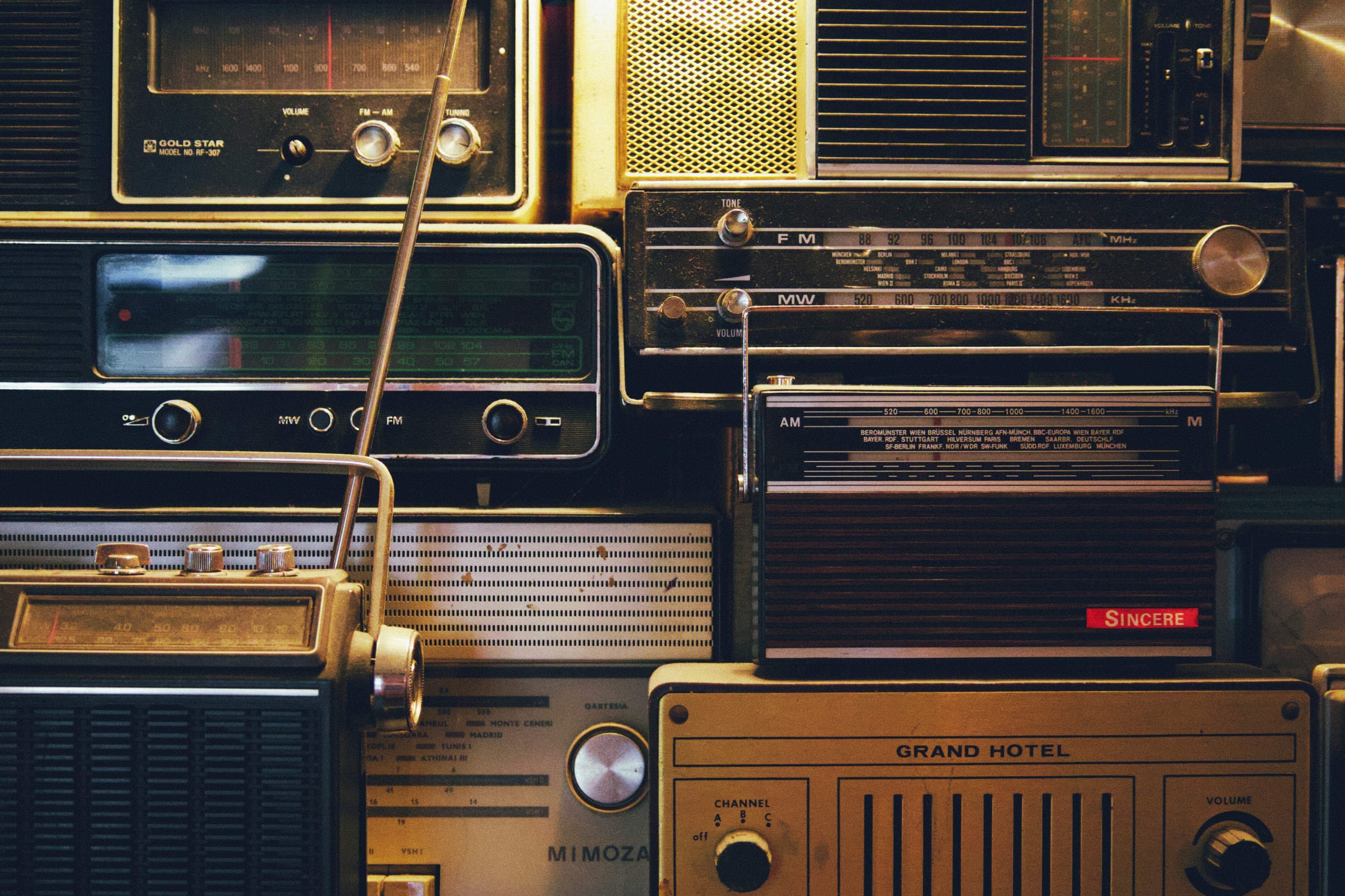
Audio drama is a type of radio drama designed for audio-only consumption. It includes a wide range of formats, including plays, short stories, and musical comedies. Audio dramas allow audiences to hear original plays and innovative storytelling techniques, featuring a full cast of actors, sound effects, and music to create a rich and immersive listening experience.
The BBC, as the world’s leading drama publisher, plays a major role in the production of audio dramas with hundreds of new plays and serials being produced each year. These productions often feature collaborations with world-renowned partners to deliver high-quality content for a global audience.
Independent producers have also embraced audio drama using the internet to distribute their work and reach listeners worldwide. This has led to a diverse and vibrant landscape of audio storytelling with creators exploring different genres and styles to engage their audience.
Musical Comedy in Radio Drama
This is a popular genre in radio drama, combining comedy with music to entertain listeners, with a long history of many classic shows featuring comedic songs and sketches that have delighted audiences for decades.
The Royal Shakespeare Company has produced several for BBC Radio. One example is their production of “A Midsummer Night’s Dream”, which blends Shakespearean dialogue with musical elements to create a unique and engaging listening experience.
In the US, musical comedy has been a staple of radio drama with iconic shows like “The Jack Benny Program” and “The Burns and Allen Show” featuring comedic sketches and musical performances. These shows have left a lasting legacy and inspired a new wave of interest in radio. Notably, “The Jack Benny Program” and “The Burns and Allen Show” were prominently featured in radio drama history, showcasing the genre’s significance.
Today, many new shows and podcasts are exploring the genre and bringing fresh and innovative comedies to audiences around the world. This continued interest ensures it remains a vital part of the radio drama landscape.
Short Stories and Serials
These forms have been a staple of radio drama for decades, offering a unique and intimate way to engage audiences. These formats allow writers to experiment with storytelling styles, creating episodes that are both concise and impactful. Many famous authors, including Agatha Christie and Arthur Conan Doyle, have written specifically for radio, showcasing the medium’s versatility.
In recent years, there has been a resurgence of interest in short stories and serials, thanks to podcasting platforms and online radio stations. These modern platforms provide a space for new and innovative works, allowing writers to reach a global audience. The episodic nature of serials keeps listeners coming back for more, creating a loyal fan base.
Notable examples of short stories and serials in radio drama include:
- “The War of the Worlds” by H.G. Wells: This classic science fiction serial, first broadcast in 1938, famously caused panic among listeners who believed it was a real event.
- “The Shadow” by Walter B. Gibson: A popular crime serial that began in 1931, featuring the mysterious vigilante known as The Shadow.
- “The Hitchhiker’s Guide to the Galaxy” by Douglas Adams: A comedic science fiction serial first broadcast in 1978, which has since become a cult classic.
These examples highlight the enduring appeal of short stories and serials in radio drama, demonstrating their ability to captivate and entertain audiences across generations.
Current Radio Drama Platforms
Today, digital platforms make radio dramas easily accessible. BBC Radio leads with top-tier audio plays, captivating a global audience. Audible, a prominent drama publisher, offers a vast collection of audio dramas, including exclusive collaborations. Podcasting lowers barriers for independent creators, fostering a diverse audio storytelling landscape.
Streaming services like Drama Online feature content from the National Theatre and Royal Shakespeare Company, enriching offerings. Modern radio dramas are often downloadable for those preferring digital access.
Platforms like Spotify and Apple Podcasts are popular for discovering radio dramas, offering curated playlists and recommendations. Audible provides extensive resources and exclusive content for these platforms.
Live performances remain popular, offering a unique way to experience audio storytelling, often held in theatres for an immersive experience.
Today’s diverse radio drama platforms ensure this timeless storytelling form remains relevant, reaching new audiences and inspiring creators.
BBC Radio Drama Productions
Throughout its history, radio drama has crafted numerous memorable productions that have resonated with audiences and shaped the medium. The Royal Shakespeare Company has been pivotal in adapting classic plays for radio, highlighting radio’s unique ability to bring dramatic stories to life. These adaptations breathe life into Shakespeare’s works and other playwrights, enriching the listening experience.
A contemporary example of radio drama’s impact is the award-winning radio soap “You Me Now,” which clinched the Best New Drama Award. This accolade underscores the ongoing relevance and creativity of modern audio dramas, which continue to innovate and expand the medium’s possibilities.
Wireless Theatre, dedicated to producing and promoting audio dramas, collaborates with platforms like Audible to present a diverse range of productions. Since 2007, Wireless Theatre’s works have been at the forefront of audio drama, contributing to its growth and popularity.
These productions exemplify the enduring charm and cultural importance of radio drama, demonstrating its adaptability to modern tastes while preserving its rich storytelling heritage. Radio drama remains a dynamic and expanding resource in the entertainment landscape.
Your Own Radio Drama
Creating a radio drama fosters creativity and teamwork, ideal for students and aspiring playwrights. It offers a platform to develop skills in dialogue writing, sound design, and performance. Radio plays are affordable, providing exposure and opportunities for new writers.
Contests like the annual Writing Contest of Cypriot Sketches offer fresh perspectives. An award-winning digital library provides resources, including playtexts and streaming content from top partners, aiding radio drama creation.
Drama and English teachers can collaborate to create engaging classroom experiences where students write, act, and record audio dramas. This approach enhances storytelling and dramatic structure understanding while improving writing and performance skills.
Using audio drama in the classroom helps students master dialogue writing, focusing on spoken language nuances. It allows exploration of complex themes, helping students discover their unique writing voice.
Teachers can incorporate audio drama into project-based learning, encouraging students to create and perform play texts. This hands-on approach fosters pride and ownership, providing valuable production experience.
Creating Radio Drama
Creating radio drama requires a unique blend of creativity, technical skill, and an understanding of the medium’s limitations and strengths. Writers, producers, and directors must work together to craft compelling stories that come to life through sound alone.
Writing for Radio
Writing for radio is a distinct discipline that demands a deep understanding of how to engage listeners using only audio. Without visual elements, radio writers must rely on descriptive language, strong narrative structures, and the strategic use of sound effects and music.
Key techniques for writing for radio include:
- Descriptive Language: Use vivid and evocative descriptions to paint a picture in the listener’s mind. This helps create a sense of place and character without visual cues.
- Strong Narrative Structure: Craft a clear and engaging storyline that guides the listener through the drama. A well-structured narrative ensures that the audience remains invested in the story.
- Sound Effects and Music: Incorporate sound effects and music to enhance the mood and atmosphere. These audio elements can convey emotions, set the scene, and provide important context.
By mastering these techniques, writers can create radio dramas that are immersive and emotionally resonant.
Producing Radio Drama
Producing radio drama involves bringing the writer’s script to life through a combination of sound effects, music, and performances. This process requires collaboration with actors, sound designers, and other programme staff to create a polished and engaging final product.
Key techniques for producing radio drama include:
- High-Quality Sound Effects and Music: Use high-quality audio elements to create a rich and immersive environment. This enhances the listener’s experience and makes the story more believable.
- Strong Performances: Work with actors to develop nuanced and compelling performances. Voice acting is crucial in radio drama, as it conveys the characters’ emotions and personalities.
- Editing and Mixing: Use editing and mixing techniques to create a cohesive and engaging final product. This involves balancing all of the sound elements to ensure clarity and impact.
By focusing on these aspects, producers can create radio dramas that captivate and entertain audiences.
Radio Drama Trends
Future radio drama trends include advancements in technology, like virtual reality and immersive sound design, enhancing interactivity. AI will aid in scriptwriting, allowing creators to focus on creativity. Social media will connect listeners and creators, influencing storylines and building communities. Live audience feedback will make broadcasts dynamic. New genres like sci-fi podcasts and true crime audio dramas will gain popularity, ensuring radio drama’s continued evolution and relevance.
Radio Drama Awards and Recognition
Radio drama has a rich history, celebrated through various awards that recognise excellence in the field. These accolades highlight the creativity, innovation, and skill in producing top-notch audio dramas.
Key awards include:
- The BBC Audio Drama Awards: Celebrating the finest in radio drama production and writing.
- The Radio Academy Awards (ARIAS): Honouring exceptional achievements in radio production and broadcasting, including audio drama.
- The Audie Awards: Presented by the Audio Publishers Association, these awards spotlight excellence in audiobook and audio drama production.
These awards play a vital role in promoting and celebrating radio drama, providing a platform for writers, producers, and industry professionals to showcase their talents, ensuring the medium continues to thrive and evolve.
Audio Dramas for Education
Audio dramas have increasingly become a valuable educational resource, offering a unique way to engage students across various subjects. By combining storytelling with sound, they capture attention and stimulate imagination, making learning both enjoyable and effective. Teachers can utilise audio dramas to enhance lessons, providing students with an immersive experience that fosters creativity and critical thinking.
One of the key benefits of using audio dramas in education is the development of listening skills. As students tune into the narrative, they learn to focus on details and comprehend complex information. This active listening practice is essential for improving communication skills and enhancing overall academic performance.
Audio dramas also encourage empathy and understanding by exposing students to diverse perspectives and cultures. Through the voices of different characters, students gain insights into various life experiences and viewpoints, promoting inclusivity and global awareness. This exposure helps build social and emotional skills that are crucial in today’s interconnected world.
Moreover, audio dramas can be tailored to fit any curriculum, covering a wide range of topics from history to science. Educators can select dramas that align with their lesson plans, making abstract concepts more relatable and easier to grasp. This adaptability ensures that audio dramas remain a versatile and relevant teaching tool.
Lastly, the interactive nature of audio dramas invites students to participate in the learning process. They can create their own audio stories, collaborate in groups, and even perform live readings. This hands-on approach not only reinforces subject matter but also boosts confidence and teamwork skills, preparing students for future challenges.
Radio Drama Online Course
If you’re keen to dive deeper into radio drama, an online course might be just what you need. Creative Writing Ink offers a Writing Radio Drama course that spans 6 weeks, focusing on nurturing creativity and storytelling in radio drama writing. With flexible enrollment, you can start whenever it suits you, making it perfect for varied schedules.
You only need to set aside 2-3 hours a week, making it easy to fit around other commitments. The course includes weekly modules with text lessons, offering a structured yet flexible learning path. A major perk is lifetime access to all course materials, allowing you to revisit and refine your skills whenever you like.
Through this course, you’ll learn to craft captivating stories, develop intriguing characters, and create immersive soundscapes—all essential for radio drama. Whether you’re a seasoned writer or just starting out, this course offers valuable insights and skills to help you succeed.
Summary
Radio drama boasts a rich history, evolving from early tech experiments to a cherished form of entertainment and education. From its beginnings in the 1880s to its golden era in the 1920s and 1940s, radio drama has captivated audiences by conveying drama and emotion through sound alone. Despite its decline in the U.S. with the rise of television, radio drama remains popular worldwide.
The advent of digital technology and podcasting has sparked a revival, making radio drama more accessible and diverse than ever. Countries like the UK, Poland, Australia, Japan, and Ireland have enriched the medium’s cultural significance. The world’s leading drama publisher continues to play a pivotal role, offering valuable resources and exclusive content.
Today, platforms like BBC Radio, Audible, and various streaming services deliver top-notch audio dramas globally. These programmes highlight radio drama’s lasting appeal and creative potential, while aspiring creators find inspiration and guidance to craft their own stories.
In education, audio dramas are powerful tools for enhancing listening skills, critical thinking, and engagement across subjects. Looking ahead, technological advancements and new genres will ensure radio drama remains a vibrant and evolving storytelling medium.
In essence, radio drama is a timeless and dynamic form of storytelling, offering endless opportunities for creativity and connection. Whether you’re a listener, creator, or educator, the world of radio drama invites you to explore, create, and be inspired.
FAQs
What was the first original radio drama in English?
The first original radio drama in English is believed to be “The Wolf”, which aired in 1921 on KDKA channel in Pittsburgh. This was the first of a new medium for storytelling.
How has podcasting affected radio drama?
Podcasting has breathed new life into radio drama by making it more accessible and allowing creators to reach a wider audience, bypassing traditional broadcast limitations. This has been a major factor in the resurgence of the genre.
What are some global radio dramas?
Global radio dramas include the BBC’s “Under Milk Wood”, Poland’s “theatre of the imagination”, Australia’s “Blue Hills” and Japan’s early radio dramas, which started in 1925. Each of these has contributed to the development and appreciation of radio drama worldwide.
What are the benefits of using audio drama in education?
Using audio drama in education improves students’ listening comprehension and critical analysis skills and caters to modern media consumption habits. Audio dramas are also great revision tools, making learning more engaging and effective.
